
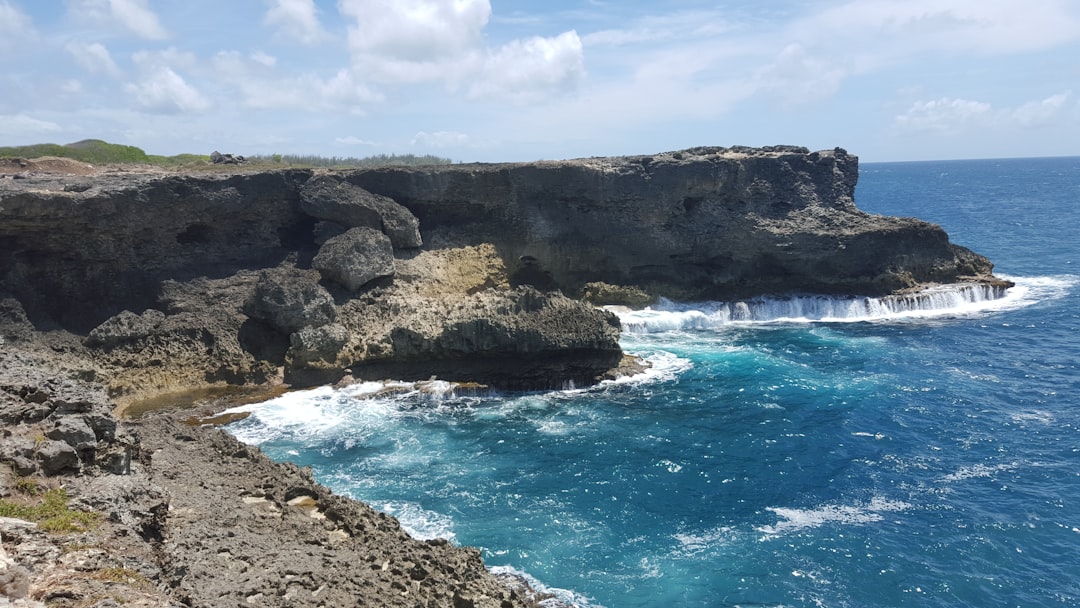
Animal Flower Cave Barbados is one of those places that people either have on their must-do list from the moment they land, or overlook entirely because the name sounds a bit odd. Trust me, it belongs firmly in the first category.
Tucked into the rugged northern tip of the island in the parish of St. Lucy, this is unlike anything else you will experience in Barbados. Most visitors stick to the west and south coasts for beaches and bars, but making the drive up north to Animal Flower Cave is one of the best decisions you can make on this island.
What Is Animal Flower Cave?
Animal Flower Cave is a natural sea cave carved into the limestone cliffs at Barbados’ northernmost point. The cave sits right at sea level, which means at certain times the ocean surges dramatically inside through natural openings in the rock. It gets its name from the sea anemones, sometimes called “animal flowers,” that live in the rock pools inside. These delicate creatures are not always visible during rough conditions, but on calmer days you can watch them swaying gently in the shallow water.
The cave itself is surprisingly expansive once you are inside. Natural windows and openings frame views of the crashing Atlantic waves beyond the rock walls, and on clear days the light filtering through is genuinely spectacular. It is dramatic, atmospheric, and feels completely unlike the rest of Barbados.
Getting to the Cave
The cave is located at the very top of St. Lucy, roughly a 45 to 60 minute drive from most hotels depending on where you are staying. If you are based on the south or west coast, the drive north will take you through the quieter interior of the island, past rum shops, chattel house communities, and rolling fields of sugarcane.
You can drive yourself, join a tour that includes the cave as a stop, or hire a taxi for the day. There is no reliable bus route that goes directly to the site, so if you do not have a car, a taxi or organised tour is the most practical approach. The road up to St. Lucy is straightforward, and the signage in the later stages is clear enough.
What to Expect When You Arrive
The approach sets the tone before you even go underground. You arrive at a clifftop with sweeping views of the northern Atlantic coastline, with dramatic wave action on the coral and limestone rocks far below. The landscape here looks markedly different from the calm turquoise waters of the Platinum Coast. This side of the island faces the open Atlantic, and it shows in every direction you look.
The cave entrance requires a short walk down steps cut into the rock. Once inside, you find yourself in a network of chambers at sea level. Depending on conditions, you may be able to swim in a natural pool inside the cave, which is one of those experiences that feels genuinely surreal: floating in clear water inside a cave while the Atlantic crashes just beyond the walls.
The rock pools are what give the site its name. You will want to look carefully into the smaller pools for the sea anemones. A guide will usually point them out and explain the history of how the cave was discovered and how these unusual creatures became so tied to the identity of the place.
The Restaurant at the Top
One thing people do not always mention when discussing Animal Flower Cave Barbados is the restaurant that sits right on the clifftop above the cave. It is a small, open-air spot with arguably one of the finest views anywhere on the island. Even if you are not planning a full meal, stopping for a cold drink while sitting with the Atlantic stretching out in front of you is a memorable way to spend an hour.
The menu leans toward Bajan classics and fresh seafood. It is a relaxed, unfussy setting, and the location alone makes it worth factoring into your visit. If you are planning a longer day in the north, this is a natural place to break things up.
Best Time to Visit
The cave is sometimes closed when sea conditions are too rough for safe access. This is most common during the Atlantic storm season between June and November, when swells can be significant. If you are visiting during this period, it is worth checking ahead before making the drive north. In the dry season between December and April, conditions are generally calmer and you will have a better chance of being able to swim in the interior pool.
Morning visits tend to be the quietest. The light inside the cave is best in the earlier part of the day, and if you arrive before the organised tour groups, you will have more space to take it all in at your own pace. Leaving your accommodation by around 8:30am from the south coast is a reasonable approach.
Is Animal Flower Cave Actually Worth It?
Here is the honest answer: yes, especially if you are spending more than a few days on the island. Animal Flower Cave Barbados offers something genuinely different from the resort beach experience that defines so much of what visitors see. It is a reminder that Barbados has real geographical drama and deep natural history beyond the cocktail sunsets and calm west coast coves.
The drive north itself is part of the experience. The landscape becomes more rugged and wild as you approach St. Lucy, and the contrast with the polished west coast is striking. Pair the cave visit with a stop at Cove Bay or River Bay nearby for even more of that raw northern coastline that most tourists never discover.
If you are short on time with only two or three days, it might not make the cut over other priorities. But for anyone with four or more days, a morning at Animal Flower Cave deserves a spot on the itinerary.
Combining With Other North Coast Attractions
The north of Barbados does not get enough attention from visitors, and while you are up there, it makes sense to build a broader northern loop into your day. Farley Hill National Park, with its atmospheric ruins of a grand plantation house and sweeping inland views, is not far away. The Barbados Wildlife Reserve is also nearby, where you can walk among free-roaming green monkeys, red-footed tortoises, and various birds in an open mahogany forest setting.
The Scotland District, a geological landscape in the island’s interior recognised for its geological significance, is also reachable from the north and gives a sense of the ancient forces that shaped Barbados long before tourism arrived. Taken together, a full day exploring St. Lucy and the surrounding area is one of the more rewarding things you can do on the island.
If you are still planning your trip and want to know what else Barbados has to offer beyond the guidebooks, the Xplore Barbados app at xplorebarbados.com is packed with local knowledge, insider tips, and curated recommendations to help you get the most out of every day on the island.