
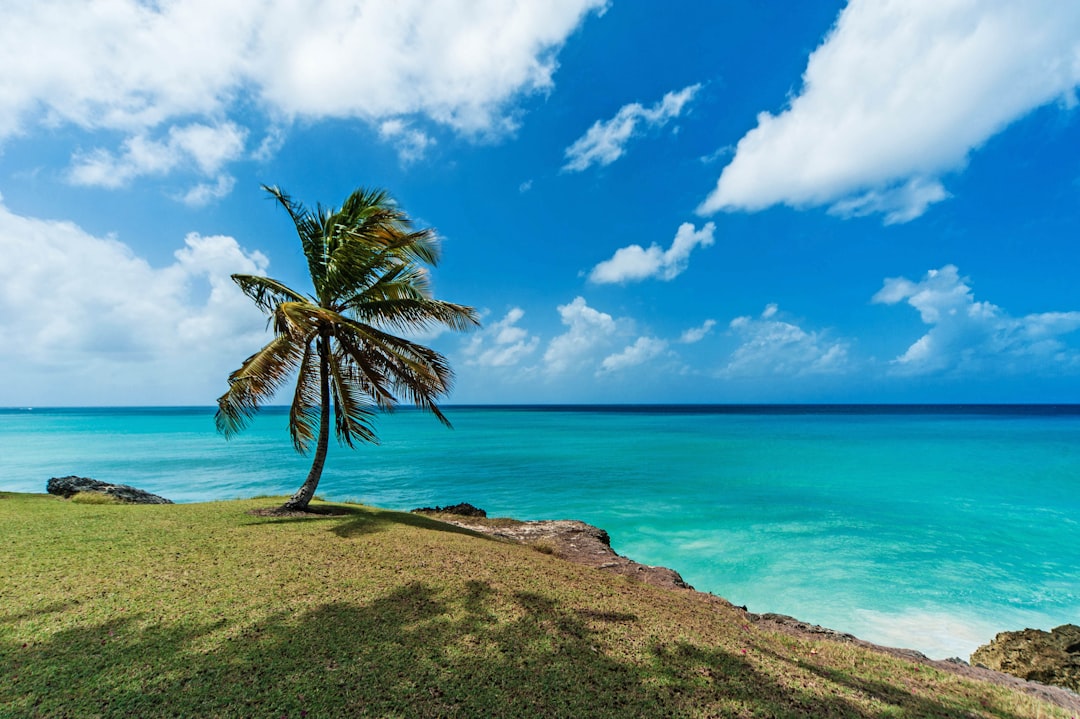
Barbados is far more than white sand beaches and turquoise water. Beneath the postcard-perfect surface lies a genuinely layered island with a story that stretches back centuries, shaped by Indigenous peoples, colonial ambition, African resilience, and a fiercely independent modern spirit. Understanding Barbados culture history helps you connect with the island on a level that most visitors never quite reach but always sense is there.
A Brief History: From Amerindians to Independence
Long before European ships arrived, the island was inhabited by the Arawak and later the Caribs, who called it Ichirouganaim. Portuguese explorers passed through in the early 1500s, naming it Os Barbados (The Bearded Ones) after the hanging roots of the fig trees they found there. By the time the English established a permanent settlement in 1627, the island was largely uninhabited.
What followed was one of the Caribbean’s most transformative chapters. English planters established sugar plantations and, alongside them, one of the most brutal systems of African enslavement in the Americas. By the mid-17th century, Barbados was the engine of the British sugar economy and among the most densely populated places on earth. The wealth generated here funded estates, architecture, and institutions back in Britain that still stand today.
Emancipation came in 1834, and the decades that followed were defined by the slow and often painful struggle for political rights and economic dignity. Barbados achieved full independence in 1966 and became a republic in 2021, an event that drew worldwide attention and marked a decisive turning point in how the island sees itself on the global stage.
The African Roots of Bajan Culture
The most enduring cultural force in Barbados is the African heritage brought by the enslaved people who built the island’s economy. Their languages, spiritual practices, food traditions, and social structures survived centuries of suppression and formed the bedrock of what is now distinctly Bajan culture.
Barbados culture history is, in large part, the story of that survival and transformation. You can hear it in the cadence of Bajan dialect, taste it in dishes like cou-cou and flying fish, and feel it in the rhythms of tuk band music that fills the streets during festivals. The island’s relationship with its African heritage is no longer something to be whispered about; it is celebrated openly and proudly.
Heritage Sites Worth Exploring
The historic capital of Bridgetown and its Garrison were inscribed as a UNESCO World Heritage Site in 2011, recognising their outstanding universal value as a remarkably intact colonial city. The Garrison itself, built in the late 1600s, is still in use today and hosts the island’s famous horse racing events at the Garrison Savannah.
Morgan Lewis Sugar Mill in St. Andrew is one of the last intact windmills in the Caribbean and offers a vivid window into the plantation era that defined Barbados for two centuries. Nearby, the Scotland District, with its rugged Atlantic-facing hills, looks and feels entirely different from the island’s west and south coasts and gives a sense of the raw landscape the first settlers encountered.
Sunbury Plantation House in St. Philip is one of the few great houses open to the public in its entirety. Walking through its rooms, packed with antique mahogany furniture and plantation artefacts, is a fascinating and sometimes sobering experience that no amount of reading quite prepares you for.
Bajan Traditions and Daily Life
Cricket is not just a sport in Barbados; it is a cultural institution. The island has produced some of the greatest cricketers in history, including Sir Garfield Sobers, widely regarded as the greatest all-rounder the game has ever seen. Catch a match at Kensington Oval in Bridgetown and you will understand instantly why cricket matters so deeply here.
Rum is another pillar of Bajan identity. Mount Gay Rum, produced in Barbados since 1703, holds the distinction of being the world’s oldest rum brand. The island’s long relationship with sugar cane naturally gave birth to a rum culture that is embedded in everything from roadside rum shops to fine dining. Rum shops, in particular, are a uniquely Bajan institution: part bar, part community centre, part debating society, and well worth visiting if you want to understand local life beyond the resort bubble.
Sunday remains a significant day on the island. Church attendance is high, and the morning hours have a particular quiet and order to them before the day opens up into family gatherings and leisurely lunches. The food culture that surrounds those gatherings, from macaroni pie to pudding and souse, is deeply communal and deeply traditional.
Music, Festivals, and Contemporary Culture
Crop Over is the unmissable event in the Bajan cultural calendar, a festival rooted in the end of the sugar cane harvest that has evolved into a weeks-long celebration of music, art, and community. The Grand Kadooment parade, held on the Monday of the August Bank Holiday, is its spectacular centrepiece, drawing revellers in elaborate costumes through the streets of Bridgetown.
Beyond Crop Over, the island has a vibrant contemporary arts scene. The Frank Collymore Hall hosts performances ranging from classical music to local theatre. The Barbados Museum and Historical Society in the Garrison is excellent for anyone who wants context before they start exploring, with collections covering everything from natural history to colonial-era maps and Amerindian artefacts.
Tuk band music, with its penny whistle, bass drum, and snare, is the oldest surviving folk music tradition on the island and predates Crop Over by several generations. You will hear it at festivals and cultural events throughout the year, and it has an immediacy and energy that is hard not to respond to.
Local Life Beyond the Tourist Trail
One of the most rewarding things you can do in Barbados is simply slow down and pay attention. Drive through the parish of St. Joseph on a weekday morning. Stop at a rum shop in the afternoon. Walk through the chattel house villages that line the roads of St. Philip and St. George, those small, brightly painted wooden houses that were designed to be portable, moved by workers who owned the house but not the land beneath it, a remarkable piece of living social history.
The warmth and pride that Bajans bring to conversations about their island are themselves part of the Barbados culture history experience. People here know where they come from and are genuinely happy to share it.
For the most comprehensive way to explore everything Barbados has to offer, from heritage sites to hidden local favourites, download the Xplore Barbados app at xplorebarbados.com. It is the insider guide that makes every visit richer.