Pull up almost anywhere on the island on a Friday night and you will feel it before you hear it. A deep bass note vibrating through the walls of a rum shop, a steel pan warming up in a car park, a crowd of locals already moving before the first song has properly started. Music is not background noise in Barbados. It is the pulse of the place, woven into daily life in ways that visitors often describe as unlike anything they have experienced before.
Understanding Barbados music culture means understanding the island itself. The rhythms here carry centuries of history, resilience, and joy, all layered on top of each other in a sound that is unmistakably Bajan.
Calypso: The Voice of the People
Before soca took over the dancefloor, calypso was the dominant musical force across the Caribbean, and Barbados was no exception. Calypso is the storytelling genre, the one where singers hold a mirror up to society and dare you to laugh, think, or argue back. In Barbados, the best calypsonians are treated with genuine respect. They are the social commentators, the community poets.
Artists like The Mighty Gabby and Red Plastic Bag built their reputations not just on vocal talent but on wit and political courage. Their lyrics tackled everything from government corruption to shifting cultural values, and they did it in ways that packed out tents during Crop Over season. Even now, winning the Pic-O-De-Crop calypso competition is one of the highest honours in Bajan entertainment. The competition runs every Crop Over season, and watching a full tent of locals hang on every word of a new calypso is an experience that will give you goosebumps.
Soca: Pure Energy
If calypso is the head, soca is the body. Born from a fusion of soul and calypso in the 1970s, soca stripped things back to the essentials: driving bass, fast percussion, and lyrics designed for one purpose only. To make you wave your hand in the air and not stop until the sun comes up.
Barbados music culture embraced soca completely, and the island has produced some of the genre’s most beloved artists. Krosfyah, led by Edwin Yearwood, dominated Caribbean stages for decades with anthems that still get played at every major fete. Rupee brought Barbadian soca to international audiences. Blood is the name that lights up the room during Crop Over, reliably delivering the track that becomes the anthem of the season.
During Crop Over, soca competitions like the Party Monarch and Sweet Soca competition draw thousands of people. These are not polished concert events. They are communal experiences where the crowd is as much a part of the performance as the artist on stage.
Spouge: Barbados’s Own Genre
Less discussed internationally but deeply important to locals is spouge, the only music genre indigenous to Barbados. Created by Jackie Opel in the late 1960s, spouge mixed calypso with Jamaican ska, rhythm and blues, and a distinctly Bajan looseness that set it apart from anything else in the region at the time.
Opel was a musical genius whose influence rippled across the Caribbean before his early death in 1970. Today, spouge is celebrated as a point of cultural pride. You might hear it played at heritage events or in the sets of DJs who dig into Barbados music history, and understanding even a little about spouge gives you a much deeper appreciation of where the island’s sound came from.
Steel Pan and the Wider Musical Landscape
Steel pan is not unique to Barbados, but it is deeply embedded in the wider Barbados music culture. Pan orchestras perform at festivals, school events, and public concerts throughout the year. Hearing a full steel pan arrangement of a soca track is one of those quietly wonderful moments that catches visitors off guard. The precision and joyfulness of it together is hard to beat.
Beyond the established genres, Barbados has also developed a strong affinity for dancehall, reggae, R&B, and hip-hop. Rihanna, the island’s most globally famous export, grew up listening to a rich mix of all of these before finding her own sound. While her path took her far beyond the island, she remains a point of immense pride and has done more to put Barbados on the world’s musical map than any tourism campaign ever could.
Where to Hear It Live
You do not need a festival ticket to experience Barbados music culture. The island has live music running through it year-round if you know where to look.
Rum shops are a good starting point. These local bars, often nothing more than a wooden counter and a few plastic chairs, will have music playing constantly, and on weekends many host impromptu live performances or have sound systems that shake the street. Baxter’s Road in Bridgetown is one of the most famous strips for late-night rum shop culture, especially on weekends.
Beach bars on the south and west coasts regularly host live bands and DJ sets. Harbour Lights on the south coast has been a Friday-night institution for years, with beach parties that blend soca, dancehall, and pop into a crowd that is equal parts tourists and locals.
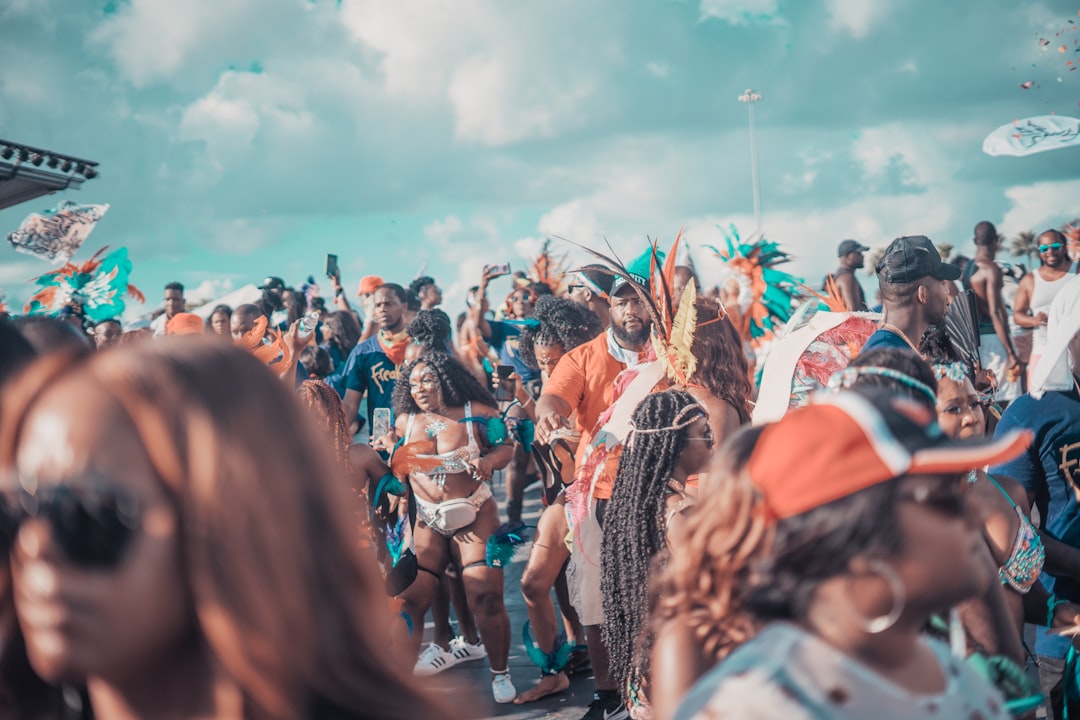
The Crop Over season, running roughly from June through to Kadooment Day in early August, is obviously the peak period for music events. During these weeks, fetes happen almost every night across the island. Some are massive ticketed events, others are small community gatherings. All of them involve excellent music, great food, and the kind of collective energy that Barbados does better than almost anywhere.
The Music Never Really Stops
One of the things that strikes people about Barbados music culture is that it is not curated for visitors. It exists for Bajans first, and guests are simply lucky to walk into it. Whether it is a sound system set up outside a rum shop on a Wednesday evening, a steel pan rehearsal drifting over a school wall, or a soca anthem blasting from a minibus rattling along the Spring Garden Highway, the music is always there.
If you want to go deeper into everything Barbados has to offer, from its live music spots to its cultural events and beyond, the Xplore Barbados app at xplorebarbados.com is the best local guide you can put in your pocket before you land.