One of the most common questions people ask before booking a trip to the island is simply: when should I go? Barbados enjoys warm tropical weather throughout the year, which means there is genuinely no bad time to visit. But there are definitely better times depending on what you are after. Whether you are chasing perfect beach days, the island’s biggest festivals, or the most wallet-friendly fares, understanding Barbados weather patterns and seasonal rhythms will help you plan a holiday that goes exactly how you imagined.
The Climate in Barbados: What to Expect Year-Round
Barbados sits well to the east of the main Caribbean island chain, just outside the trade wind corridor, which gives it a slightly different climate to many of its neighbours. Temperatures are remarkably stable, sitting between 24 and 30 degrees Celsius no matter the time of year. The cooling trade winds that blow steadily off the Atlantic make even the warmest days feel comfortable.
What changes across the seasons is rainfall. Barbados has a dry season running roughly from December to May, and a wetter season from June to November. The wetter months are not endlessly rainy. Showers tend to arrive quickly, often in the afternoon, and clear just as fast. But the frequency and intensity pick up noticeably compared to the dry season.
December to April: Peak Season and the Dry Season
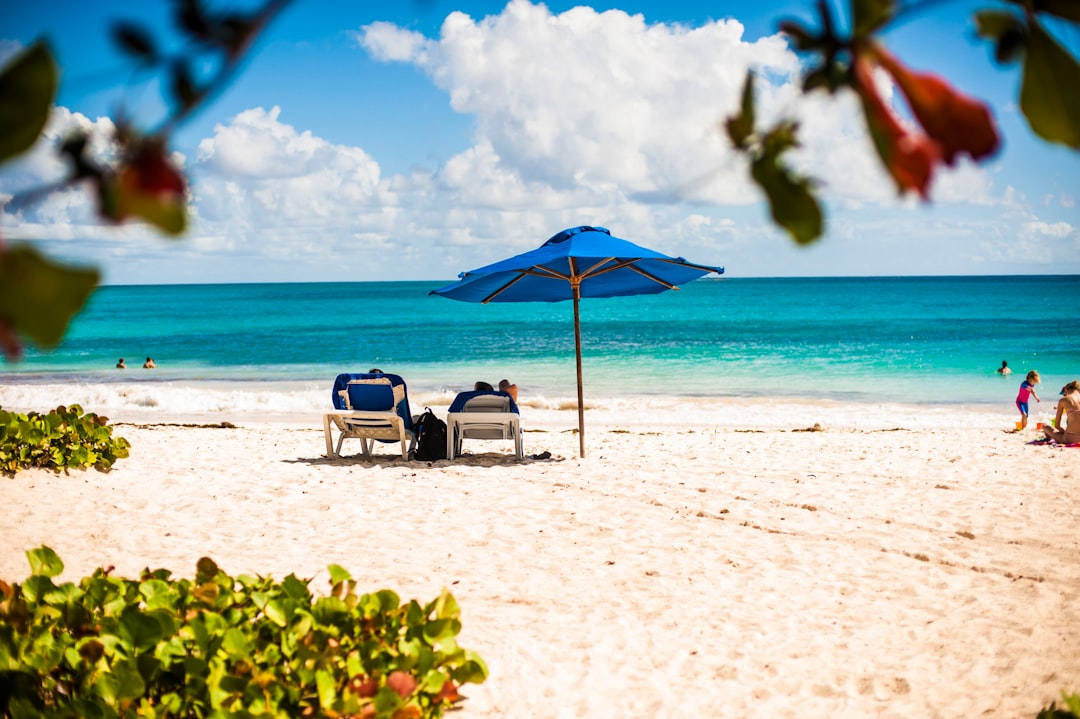
This is undeniably the best time to visit Barbados if you want the most predictable weather. Blue skies dominate, humidity is lower than the rest of the year, and rainfall is rare. The sea on the west coast is particularly calm and clear, perfect for snorkelling, sailing, and lazy days on the sand.
The flip side is that this period coincides with peak tourist season. The island fills with visitors from North America and Europe escaping their winters, and accommodation is in high demand. Prices reflect that demand, so booking well in advance is essential, especially around Christmas and New Year.
January through March is the absolute sweet spot for the best time to visit Barbados. The weather is at its most stable, crowds are slightly thinner than the holiday period, and events like the Barbados Jazz and Blues Festival in January draw an excellent crowd of music lovers to the island.
May and June: The Shoulder Season Sweet Spot
May and early June are genuinely underrated times to visit. The dry season is winding down but the island has not yet flipped fully into the wetter months, so you can still expect plenty of sunshine. Tourist numbers drop sharply after the Easter rush, which means beaches feel more relaxed, restaurants are easier to get into, and accommodation rates tend to ease off considerably.
This is also a wonderful time for those who want a more authentic feel to their trip. You share the island more with Bajans than with other tourists, and the pace of life slows pleasantly. Water visibility for diving and snorkelling remains excellent in May.
July and August: Crop Over Festival Season
If you want to experience Barbados at its most vibrant and culturally rich, coming in July or August for Crop Over is a decision you will not regret. This is Barbados’s biggest annual festival, rooted in the end of the sugar cane harvest, and it has evolved into a weeks-long celebration of music, colour, street food, and community. The grand finale, Kadooment Day, is a full-on costumed street carnival that draws visitors from across the Caribbean and beyond.
The weather during these months is warmer and more humid, with afternoon showers fairly common. But most of the major Crop Over events happen in the evening or early morning, and brief rain rarely dampens the spirit of the celebrations. This is high season for the festival, so plan accommodation early.
September and October: Quietest Months on the Island
These are the quietest and, admittedly, the most unpredictable months weather-wise. September sits at the height of the Atlantic hurricane season, and while Barbados’s position in the southern Caribbean means it avoids direct hits more often than not, tropical weather systems can bring heavy rain, strong winds, and choppy seas.
For budget travellers willing to take the chance, this period offers the lowest rates of the year. The island is peaceful, locals are welcoming, and if you get a good week, you will have beaches almost to yourself. Just keep an eye on weather forecasts, consider travel insurance with storm coverage, and have a flexible mindset.
November: A Gentle Transition
November sees the island beginning to shift back toward the dry season. Rainfall frequency starts to drop, the sea calms, and tourist numbers begin to climb again as the northern winter approaches. It is another solid shoulder-season choice. Prices are still reasonable, the landscape is lush and green from the wet season, and you can often find excellent value by booking at short notice.
Barbados Weather Month by Month: A Quick Reference
January and February sit in the heart of the dry season with near-perfect beach weather. March and April remain dry and sunny but accommodation gets pricier around Easter. May is warm and pleasantly quiet. June brings the first of the afternoon showers. July and August are festival season with warm, humid weather. September and October are the wettest and most unpredictable months. November signals the return of better conditions. December brings the holiday crowds and gorgeous festive weather once again.
Events That Should Influence Your Timing
Beyond weather, the Barbados events calendar is worth factoring into your plans. The Oistins Fish Festival around Easter weekend is a beloved local celebration of the island’s fishing heritage, with cooking competitions, live music, and a very festive atmosphere. The Barbados Food and Rum Festival in October is a sophisticated culinary event that has grown into a major draw for food lovers. And the Barbados Concours d’Elegance, a vintage car show typically held in December, is a surprisingly charming addition to the festive season.
So When Is the Best Time to Visit Barbados for You?
For guaranteed sunshine and ideal beach conditions, December through April remains the gold standard, with January to March as the standout months. For festivals and culture at their most electric, aim for July and August for Crop Over. For value, fewer crowds, and a more local experience, May or November are smart choices. And if you are on a tight budget and happy to gamble a little on weather, September and October can deliver exceptional value.
Whatever time of year you choose, Barbados has something genuinely wonderful to offer. Download the Xplore Barbados app at xplorebarbados.com before you go. It is the easiest way to discover what is happening on the island and plan each day of your trip with confidence.