
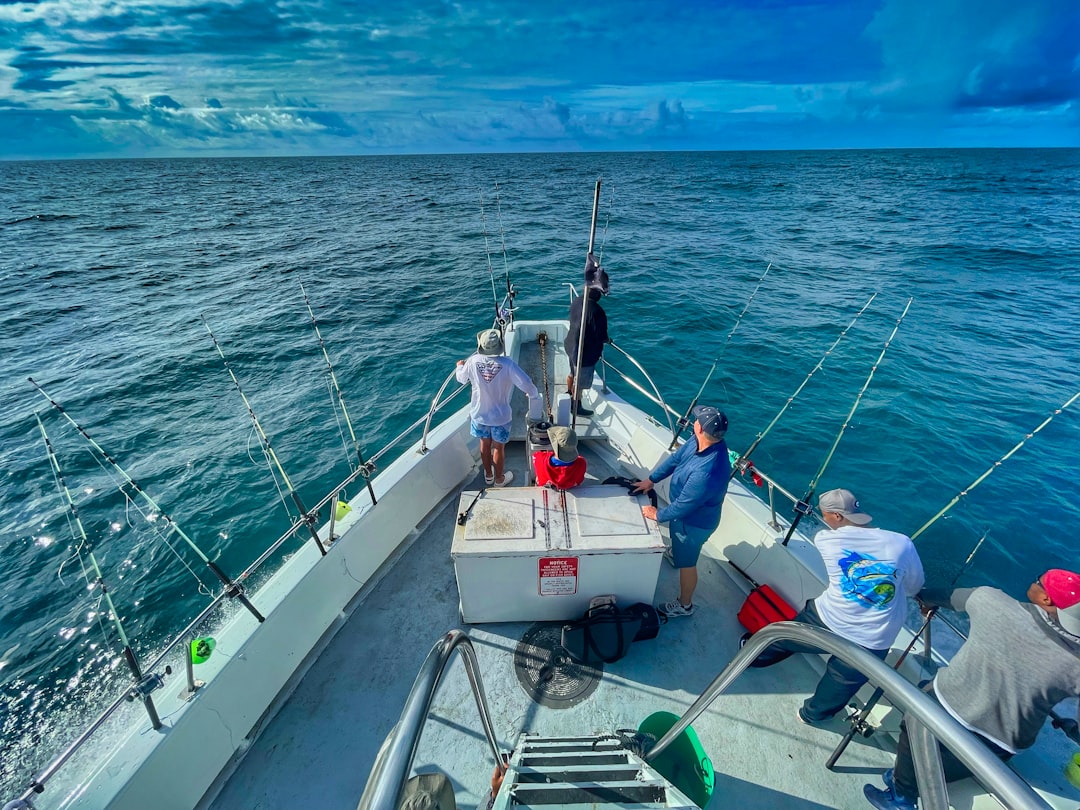
Barbados sits at the eastern tip of the Caribbean, with the vast open Atlantic on one side and warm, turquoise Caribbean waters on the other. That geography is an extraordinary gift for anglers. The island’s offshore waters attract some of the most prized sport fish in the world, the charter fleet is experienced and well-equipped, and the pace of a day on the water here is unlike anything you will find at a resort pool. If you have ever thought about trying deep sea fishing in Barbados, this guide covers everything you need to plan a trip you will talk about long after you land back home.
What Fish Can You Catch?
The offshore variety around Barbados is genuinely impressive. Billfish are the headline act, and blue marlin is the species that draws dedicated anglers from around the world. Blue marlin are present year-round, though the peak months tend to fall between January and June when they run closer to shore. White marlin and sailfish also feature, with sailfish being particularly spectacular because of the way they leap when hooked.
Wahoo is one of the most popular catches in Barbados waters, and for good reason. They strike hard and fast, fight with real aggression, and are among the finest eating fish in the Caribbean. Mahi-mahi, known locally as dorado or dolphinfish, are colourful, acrobatic, and abundant, especially around floating weed lines and debris. Yellowfin tuna and blackfin tuna complete the main target list, with blackfin being especially common and highly regarded as table fish.
If the crew spots flying fish leaping from the water during the trip, it is a nice moment to remember that they are the national fish of Barbados and central to the island’s food culture, even if they are not a deep sea fishing target. They are used as bait on some trips and feature on almost every local restaurant menu.
When Is the Best Time to Fish?
One of the genuine advantages of deep sea fishing in Barbados is that the fishery is productive year-round. The island sits outside the main hurricane belt, and while the Atlantic hurricane season runs from June through November, many fishing days during those months are perfectly calm and fishable.
January through June is widely considered the prime window for marlin, when fish move closer inshore and the sea conditions on the western Caribbean side of the island are at their most settled. Wahoo can be caught any month of the year, with experienced local captains often timing trips around moon phases and water temperature shifts to maximise results. Mahi-mahi peak in late spring and again in early autumn, following seasonal migration patterns.
For visitors who are susceptible to seasickness, the calmer months from roughly November through May tend to offer the most comfortable conditions, particularly on the western and southern coasts where the sea is sheltered from the Atlantic swell.
What Happens on a Charter Day?
Most deep sea fishing Barbados charters depart from Bridgetown Harbour, known as the Careenage, or from marinas and jetties along the west and south coasts. The western side of the island, facing the Caribbean Sea, is where the majority of fishing happens because the water is calmer and there is significant underwater structure that concentrates fish.
When you board, the crew will run through a safety briefing and show you how the tackle works. Equipment is almost always provided, so you do not need to bring specialist gear unless you have a personal preference. The standard approach is trolling, where lines are trailed behind the moving boat at different depths and distances to cover as much water as possible. The captain reads surface signs including birds diving, debris lines, and colour changes in the water to determine where to focus.
When a fish strikes, the energy on the boat changes completely. The reel screams, the crew scrambles, and the next minutes are a genuine test of stamina and technique. Even on a trip where the main targets do not show, the experience of being ten or fifteen miles offshore in clear Caribbean water, watching the island recede and the sea open up around you, is extraordinary in its own right.
Billfish and the Culture of Catch and Release
Barbados has a strong culture of releasing billfish, and most reputable charter operators follow catch-and-release as standard practice for marlin and sailfish. This is partly driven by international best practice for sustainable sport fishing and partly by the genuine pride local operators take in maintaining a healthy fishery for future generations.
If you land a marlin, the crew will typically bring it alongside the boat for photographs and then release it in good condition. The moment is brief but memorable, and a photograph of the fish in the water next to the boat makes for a compelling record of the catch.
Table fish like wahoo, mahi-mahi, and tuna are generally kept if the group wants them. Some charter operators have relationships with local restaurants who can prepare the fish the same day, which is one of the more satisfying ways to end a fishing trip anywhere in the world.
How to Choose the Right Charter
The Barbados charter fleet covers a range of sizes and styles. Smaller private boats carry between four and six anglers and offer a more personal, flexible experience. Larger shared charters let you split the cost with other visitors, which works well if you are travelling solo or as a couple.
Before booking, think about your experience level. Some operators specialise in beginners and families, others in dedicated anglers chasing billfish. Ask the operator directly about what type of fishing the trip focuses on, how long the boat has been operating, and what the captain’s track record is. Recent online reviews from travellers are also a reliable guide.
Confirm what is included before you pay. Good operators cover all fishing gear, but clarifying whether food, drinks, and fish handling are part of the package avoids any misunderstanding on the day.
Practical Tips for First-Timers
A few simple preparations make a significant difference, particularly if you have never been offshore fishing before.
Apply reef-safe sunscreen generously and bring a hat with a wide brim. A full day on the water with no shade overhead is far more intense than a day at the beach. UV-protective clothing is worth packing if you burn easily.
Stay well hydrated. The combination of sun, sea breeze, and physical exertion means you lose fluids faster than you realise. Bring more water than you think you will need.
If you have any concern about seasickness, take medication the night before rather than on the morning of the trip. Starting the medication early gives it time to work properly. Choosing a trip on the calmer west coast and booking during the settled season also helps.
Bring a waterproofed camera or a dry bag for your phone. Catching a wahoo or watching a marlin jump beside the boat is the kind of moment you will want to capture, and salt spray reaches everywhere.
Finally, go with an open mind. Fishing is never guaranteed, and part of what makes it worth doing is the unpredictability. Local captains know their waters well and will work hard to put you on fish, but even a quiet day offshore brings a quality of light, space, and silence that is genuinely restorative.
The Xplore Barbados app at xplorebarbados.com is the ideal companion for planning your fishing trip and every other part of your island visit. Download it before you travel for curated recommendations, local insights, and everything you need to make the most of Barbados.