
Most people come to Barbados for the beaches, and nobody blames them. But step back from the shoreline for a moment and you will find an island with real topographical character: plunging cliffs, dense tropical gullies, rolling hills cloaked in sugarcane, and an interior that feels a world away from the west coast loungers. Hiking Barbados is one of the island’s best-kept secrets, and for visitors who get off the beaten track, the rewards are considerable.
Whether you are after a gentle morning stroll through a tropical garden or a proper sweat-inducing walk along windswept Atlantic cliffs, Barbados has more to offer than most visitors ever discover.
Why the Scotland District Should Be Your First Stop
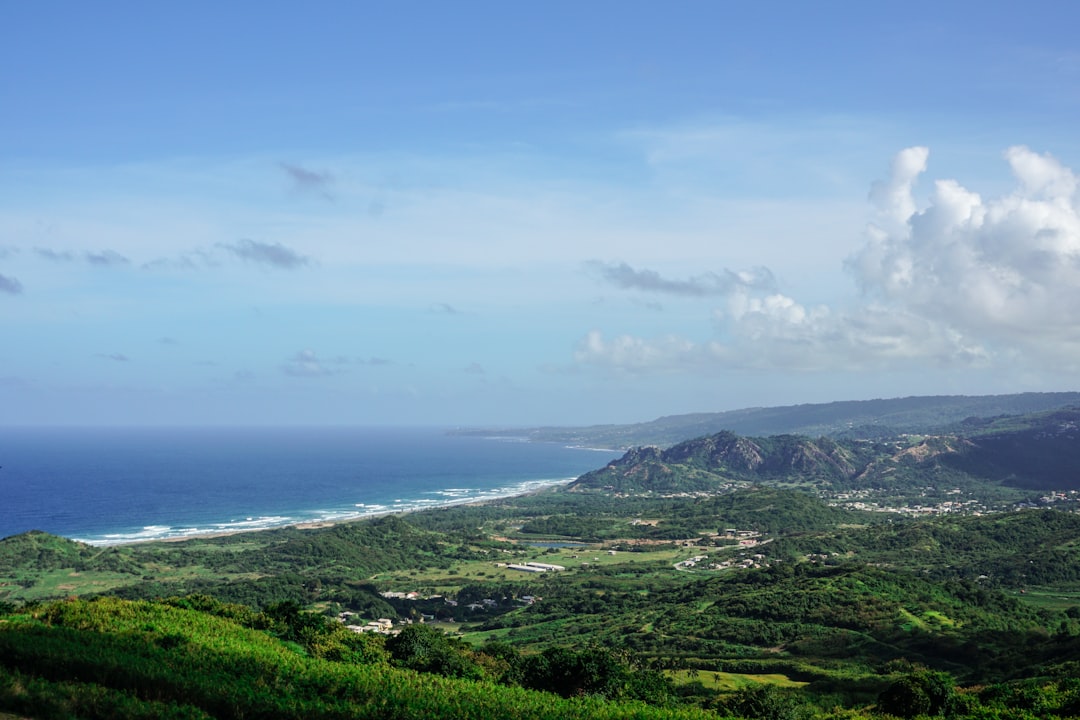
The Scotland District in the northeast of Barbados is the island’s most dramatic landscape, and it is the natural starting point for anyone serious about hiking Barbados. Named for its rolling hills and green terrain, the district feels almost incongruously lush compared to the flat, sun-bleached south.
Hackleton’s Cliff is the headline act. Rising to around 300 metres above sea level, the cliff edge offers panoramic views across the Scotland District and out over the Atlantic. The walk along the clifftop is not technical, but the terrain is uneven in places, so good footwear makes a genuine difference. Come at sunrise if you can, the light across the gullies below is extraordinary.
Cherry Tree Hill is another essential stop nearby. The viewpoint at the top of the hill looks out over a patchwork of forest, farmland, and the Atlantic beyond. The trees that once lined the road here were magnificent old mahogany specimens, and the surrounding area is still a peaceful place to walk slowly and take stock of just how beautiful the Barbadian interior really is.
The Barbados National Trust Sunday Hikes
If you want to explore the island’s trails with local knowledge behind you, the Barbados National Trust runs guided Sunday morning hikes throughout the year. These are free to join, they rotate around different parts of the island each week, and they draw a genuinely mixed crowd of locals and visitors.
The hikes cover everything from coastal walks to plantation trails to agricultural backroads that most tourists never see. The pace is conversational rather than athletic, and the guides tend to be passionate about the island’s natural and social history. If your trip coincides with one of these walks, make the effort to go. It is one of the most authentic ways to experience hiking Barbados with people who actually know what they are looking at.
Welchman Hall Gully: A Jungle Walk in the Middle of the Island
Welchman Hall Gully is not a hike in the traditional sense, but it is one of the most rewarding walks on the island. The gully is a natural limestone ravine that cuts through the island’s interior, and the National Trust manages it as a protected nature reserve.
The walk through the gully takes around 30 to 45 minutes and feels like stepping into a different world. Ancient mahogany trees create a green canopy overhead, tropical palms and ferns line the path, and the resident troupe of green monkeys are usually visible if you move quietly. The gully is cool and shaded even in the heat of the day, which makes it a particularly sensible choice if you are planning to be outdoors in the afternoon.
The East Coast: Walking the Wild Atlantic Shore
The east coast of Barbados faces the full force of the Atlantic, and the landscape reflects that energy. The cliffs are dramatic, the sea is fierce, and the villages scattered along this coastline have a quiet, unhurried character that feels genuinely different from the tourist-facing west.
Bathsheba is the natural anchor point for any east coast exploration. The bay is famous among surfers but it is equally compelling for walkers, with the great mushroom rocks rising from the water and the surrounding hills offering good vantage points. From Bathsheba you can walk north along the coast toward Cattlewash, a stretch of broad beach backed by low cliffs and casuarina trees, and one of the most unspoiled shorelines on the island.
The coastal walking here is informal rather than trail-marked, so pick your path as you go. Comfortable shoes are more important than hiking boots, but be aware that the terrain can be rocky and the surf occasionally dramatic.
Turner’s Hall Wood: A Remnant of Old Barbados
Hidden in the north of the island, Turner’s Hall Wood is one of the last remaining stands of native tropical forest in Barbados. Much of the island was cleared for sugarcane centuries ago, which makes this remnant forest genuinely precious. The wood covers around 50 acres and contains native trees including trumpet wood, sandbox, and cabbage palm.
There are informal trails through the forest and the atmosphere is strikingly different from elsewhere on the island: shaded, quiet, and rich with birdsong. It is not a long walk, but it is one that most visitors miss entirely, and that makes it all the more worth seeking out.
Tips for Hiking in Barbados
Anyone planning to spend time on the trails should take the heat seriously. Barbados sits close to the equator and midday temperatures can be punishing, particularly in open, exposed terrain. The best strategy is to start early, ideally before 8am, and be back at your accommodation or somewhere shaded before 11am.
Water is non-negotiable. Carry more than you think you will need. Light, breathable clothing and a hat with a wide brim will make a significant difference to your comfort. Closed-toe shoes or trail runners are better than sandals for anything beyond a casual beach walk.
Mobile signal varies across the island, particularly on the east coast and in the interior. Download any maps or route information before you head out rather than relying on connectivity.
For the best experience, combine hiking with the local knowledge available through the Xplore Barbados app at xplorebarbados.com, which helps you find and navigate the island’s most rewarding spots whatever type of traveller you are.