Barbados is not typically the first thing people think of when they picture a Caribbean shopping destination. The island is not particularly known for designer outlets or vast malls, and that is honestly part of its charm. Shopping in Barbados is more about discovering things you genuinely cannot find anywhere else – local rum aged to perfection, handmade pottery that carries a little piece of the island home with you, and hot sauces that will absolutely ruin supermarket bottles forever. If you know where to look, shopping in Barbados is a deeply satisfying experience.
Bridgetown: The Duty-Free Hub
Broad Street in Bridgetown is where most visitors start, and for good reason. This pedestrian-friendly stretch forms the commercial heart of the capital, lined with department stores, jewellers, electronics retailers, and rum shops offering genuine duty-free prices. Cave Shepherd, the island’s oldest and most well-known department store, anchors one end of the street and sells everything from perfume and cosmetics to local crafts and clothing.
To take advantage of duty-free pricing on items like jewellery, spirits, and electronics, you will typically need to present your passport and boarding pass. Some retailers deliver directly to the cruise terminal or airport for collection on your way out, which means you do not have to carry your purchases around all day – a welcome arrangement if you have a full day of exploring ahead.
A few blocks away, the Pelican Craft Centre sits right next to the main cruise terminal and is one of the best spots for handmade Bajan goods. The cluster of small studios and stalls here is home to potters, jewellers, textile artists, and painters who work on-site. You can often watch artisans at work before buying, which adds a layer of authenticity you simply do not get at airport shops. The prices are reasonable, and everything here is genuinely local.
Cheapside Public Market: The Real Barbados
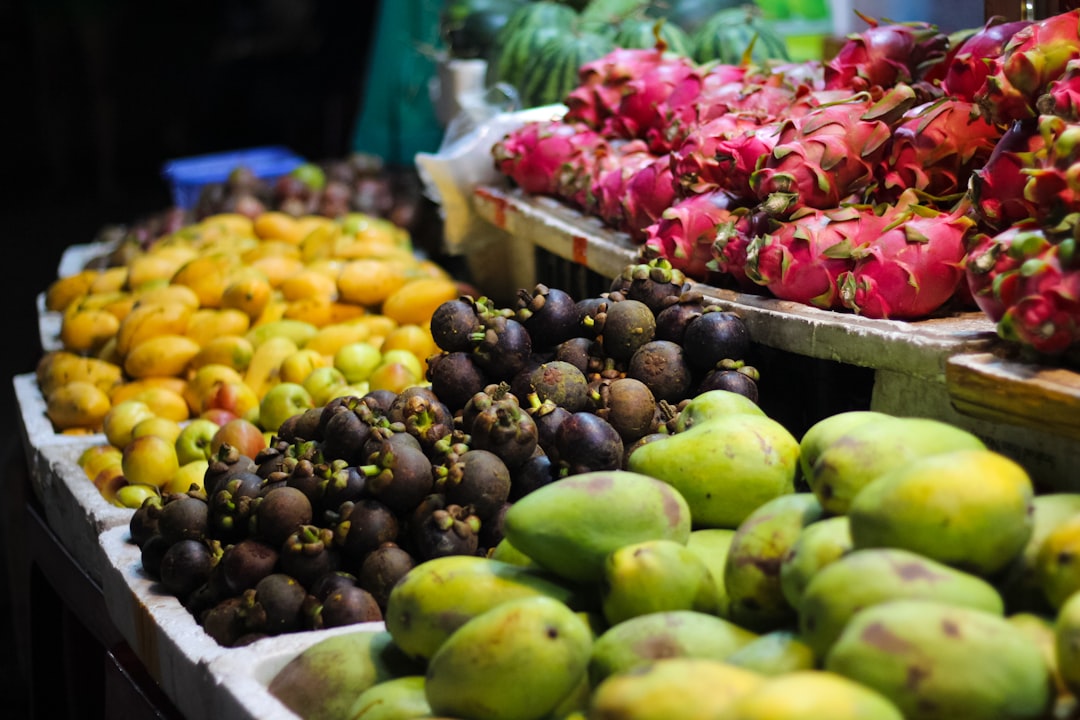
If you want a break from tourist-facing retail, head to Cheapside Public Market. This covered market in central Bridgetown is where Bajans actually shop, and it is a genuinely vibrant place. Vendors sell fresh produce, local spices, herbs, fish, and an array of everyday goods. It is noisy, colourful, and packed with life – a welcome contrast to air-conditioned duty-free stores.
Shopping in Barbados at a place like Cheapside gives you a much better sense of what people here actually eat and how they live. Pick up a bag of dried seasoning, some fresh breadfruit, or a bottle of local pepper sauce directly from the person who made it. You will not find better prices anywhere on the island.
Holetown: Boutique Shopping on the West Coast
The west coast town of Holetown has evolved into one of the more enjoyable shopping destinations on the island. Limegrove Lifestyle Centre here is a sleek open-air mall with a curated mix of international brands and local boutiques. It caters to the higher end of the market, but even if you are not planning to splurge, it is a pleasant place to wander, grab a coffee, and browse.
Sunset Crest, also in Holetown, offers a slightly more everyday collection of shops including a supermarket, pharmacy, and a handful of locally owned stores. This is a good place to stock up on Bajan food products – hot sauces, rum cakes, Bajan seasonings – at prices significantly lower than you would pay at the airport.
What to Buy: The Non-Negotiables
If you are serious about shopping in Barbados and want to bring home something genuinely worthwhile, there are a few categories that stand above the rest.
Barbadian rum is the obvious starting point. Mount Gay, produced in Barbados since 1703, is the world’s oldest commercially produced rum. Foursquare Distillery, based in St Philip, has become something of a cult favourite among rum enthusiasts worldwide. Both distilleries produce expressions that are difficult to find outside the island and considerably cheaper to buy here. Look for aged expressions and limited releases if you want to bring home something truly special.
Local hot sauce is the other must-buy. Barbados takes its pepper sauce seriously, and there are dozens of small-batch producers making genuinely excellent condiments. The most famous is probably Bajan Pepper Sauce, but supermarkets and farm stalls stock a wide range from mild to searingly hot. A few bottles tucked in your luggage will serve you far better than anything you will find in a general grocery store back home.
Pottery and ceramics are a strong choice for something handmade and durable. Several potters work out of studios across the island, and you can often commission or purchase pieces directly. The Pelican Craft Centre in Bridgetown is a reliable starting point, but there are independent studios dotted around St Thomas and St Joseph worth seeking out if you have transport.
Locally produced honey, jams, and food products have become increasingly popular in recent years as Barbadian producers have invested more in artisanal food. Farmers markets, supermarkets, and craft fairs are great places to find these items.
Speightstown and Beyond
Speightstown on the northwest coast has a quieter, more authentic feel than Bridgetown, and its small high street contains a handful of independent shops worth exploring. There is nothing flashy about it, which is rather the point. A few local vendors sell handcrafted items, produce, and locally made goods at prices that reflect a less tourist-heavy environment.
For a broader range of retail including grocery shopping, Mall 34 in Christ Church and the Sheraton Mall near Worthing both offer a mix of Bajan and international brands in a convenient format. These are practical options if you are staying on the south coast and need to get a few things done without heading into Bridgetown.
A Few Tips Before You Shop
Barbados is not a haggling culture. In most shops, malls, and craft centres, prices are fixed and it would be considered rude to negotiate aggressively. Smaller independent vendors may be more flexible, but always approach any negotiation with warmth and respect.
The Bajan dollar is pegged to the US dollar at a fixed rate of two to one, which makes mental arithmetic straightforward for American visitors. Most larger shops accept major credit cards, but smaller stalls and markets are often cash-only, so keep some local currency on hand.
For the most up-to-date information on markets, local events, and artisan shops worth visiting during your stay, the Xplore Barbados app at xplorebarbados.com is genuinely useful – it collects the kind of insider knowledge that takes weeks to accumulate and puts it in your pocket before you even arrive.