
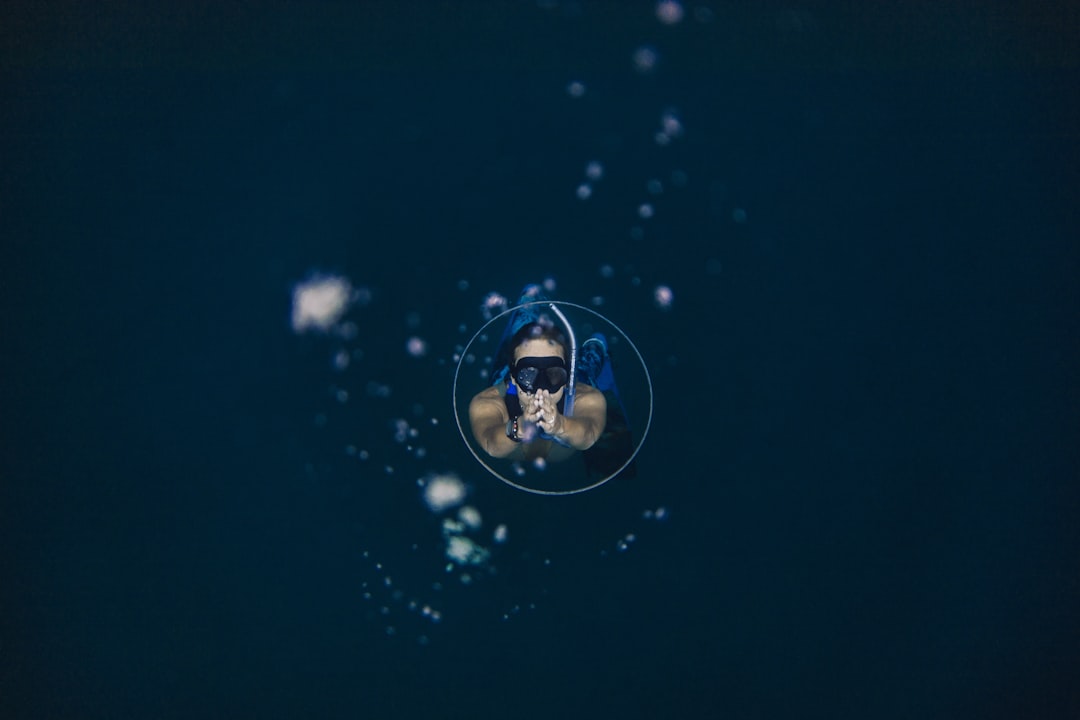
If there is one activity that genuinely justifies packing a mask and fins in your luggage, snorkelling in Barbados is it. The island sits at the southern edge of the Caribbean’s most biodiverse reef systems, surrounded by warm, clear water that visibility-wise puts most tropical destinations to shame. Whether you are floating above a centuries-old shipwreck, coming face-to-face with an ancient sea turtle, or hovering over brain coral as sergeant major fish dart around your fins, snorkelling here never feels routine.
The good news is that you do not need to be an experienced diver or book an expensive tour to enjoy it. Some of the island’s best underwater scenery is accessible directly from the beach, and the water is warm, calm, and forgiving for beginners and children alike. Here is where locals and seasoned visitors recommend heading in the water.
Carlisle Bay: The Snorkeller’s Capital of Barbados
Carlisle Bay on Bridgetown’s southern edge is widely considered the finest snorkelling destination on the island, and it is not hard to see why. The bay is home to no fewer than six sunken shipwrecks lying in relatively shallow water, most between six and twelve metres deep. Even from the surface, snorkellers can peer down and see the skeletal outlines of vessels like the Berwyn and the Ce-Trek, now colonised by thick coral growth and swarming with marine life.
Turtles are a near-daily sighting in Carlisle Bay. Green turtles and hawksbills have been coming here for decades and show little concern for the humans drifting above them. Alongside the turtles you will find southern stingrays, moray eels, schools of blue tang, and countless reef fish weaving through the wreck structures. The bay’s protected position means the water stays calm even when wind picks up elsewhere on the coast, making it one of the most reliable spots on the island regardless of season.
You can reach Carlisle Bay directly from Brownes Beach in Bridgetown. If you prefer guided access, numerous catamaran companies depart from the nearby Careenage and include the wrecks as a stop on their snorkelling tours.
Folkestone Marine Park: Barbados’s Protected Reef
On the west coast, Folkestone Marine Park near Holetown represents snorkelling Barbados at its most organised. This is a designated marine protected area managed by the government, which means fishing is prohibited and the reefs here have recovered beautifully over the years. The park includes both an inshore shallow reef suitable for confident beginners and deeper sections for those who want to explore further.
The artificial reef created from a sunken barge sits at around five metres depth and provides a spectacular focal point. Nurse sharks rest beneath its overhangs, lobsters tuck into crevices, and the coral growth is genuinely impressive. You can rent snorkel gear directly at the park’s facility on the beach, which makes this a practical choice even if you have not brought your own equipment.
Paynes Bay: The Go-To Spot for Turtle Encounters
If swimming with sea turtles is high on your list, Paynes Bay on the west coast is where locals direct visitors for the best odds. The bay is sheltered, shallow close to shore, and the turtle population here is both large and accustomed to gentle human interaction. Hawksbill and green turtles graze on sea grass beds just metres from the beach, making them accessible to even the most nervous first-time snorkeller.
Paynes Bay is also one of the calmer stretches of the west coast, with almost no wave action and exceptional visibility on clear days. Arrive in the morning before the catamaran tours swing through and you will often have the turtles largely to yourself. This is genuinely one of the most memorable wildlife encounters available anywhere in Barbados.
Sandy Lane Bay and the North West Coast
The stretch of coastline running north from Paynes Bay past Sandy Lane and up toward Speightstown offers some lovely reef snorkelling that sees far fewer tourists than the bays further south. The coral formations here are dense and varied, the fish life is abundant, and the relative quietness makes for a more personal experience in the water.
Much of this coastline can be explored from the beach, though a kayak or paddleboard makes it easier to cover ground and position yourself over the best reef sections. If you are staying at one of the west coast hotels, ask the water sports desk for recommendations on the best entry points near your property.
Needhams Point: A Short Paddle to Productive Reef
Needhams Point sits at the southern tip of the Garrison area, just minutes from Carlisle Bay, and offers solid reef snorkelling that many visitors walk right past. The point itself creates a natural current break, and the reef that runs along its eastern edge holds a healthy population of reef fish, the occasional eagle ray, and in the right season, juvenile hawksbill turtles. It works well as a morning spot before the wind builds, and the combination of rocky intertidal pools and open reef gives the snorkelling a nice variety.
Tips for Getting the Most Out of Snorkelling Barbados
The west and south coasts are where snorkelling Barbados delivers its best results. The east coast, which faces the open Atlantic, is not suitable for snorkelling due to powerful swells and unpredictable currents. Stick to the leeward side of the island unless you are an experienced ocean swimmer going out with a local guide.
Conditions are best in the morning before the wind picks up, typically between 8am and 11am. Visibility on the west coast regularly exceeds 20 metres, but can drop slightly in the afternoon when boat traffic stirs up sediment. A rashguard or light wetsuit is not strictly necessary but adds comfort for longer sessions and provides sun protection, since the Caribbean sun is deceptively strong in the water.
Reef shoes or water shoes are useful at some entry points where the bottom is rocky. At the sandy beach entries like Carlisle Bay and Paynes Bay, bare feet or fins are fine. Always approach turtles passively, let them come to you, and avoid touching or riding them. Not only is it legally protected behaviour in Barbados, it keeps these animals wild and approachable for everyone else.
Making the Most of Your Time in the Water
Between the wrecks of Carlisle Bay, the turtle encounters at Paynes Bay, and the protected reefs of Folkestone, snorkelling Barbados offers variety that few Caribbean islands can match. Each spot has its own character, and if you have a week on the island there is easily enough to explore a different location every day without feeling like you are repeating yourself.
For a deeper guide to snorkelling spots, turtle encounter points, catamaran tour recommendations, and everything else to discover in and around the water in Barbados, download the Xplore Barbados app at xplorebarbados.com. It puts local knowledge in your pocket so you can spend less time searching and more time in the sea.