Barbados has a reputation as one of the Caribbean’s finest surf destinations, and for good reason. The island sits perfectly in the path of North Atlantic swells, its rugged east coast catching long-period waves that travel thousands of miles before finally breaking on its coral reefs. Whether you have never stood on a board or you spend your life chasing barrels around the globe, surfing in Barbados offers something genuinely special.
Why Barbados Stands Out as a Surf Destination
Most Caribbean islands are sheltered from serious ocean swell by their geography or surrounding landmass. Barbados is different. It is the most easterly island in the Caribbean, jutting out into the open Atlantic with nothing between it and the coast of West Africa. That exposure is what gives the east coast its power and consistency, particularly during the northern hemisphere winter when strong low-pressure systems generate the biggest swells of the year.
The south coast tells a different story. Here the waves are smaller and more forgiving, shaped by gentler trade winds and a shallower seabed. These conditions have made the south coast the natural home of Barbados’s surf schools and beginner scene. The result is an island that genuinely caters to every level, from the complete novice picking up a foam board for the first time to the professional chasing the kinds of waves most people only see on television.
The Soup Bowl: Barbados’s Iconic Break
No guide to surfing in Barbados would be complete without talking about the Soup Bowl. Located near the village of Bathsheba on the east coast, this is one of the most famous reef breaks in the Caribbean. The wave is a right-hander that peels along a submerged reef, producing hollow, powerful sections that reward committed, experienced surfers.
At its best, the Soup Bowl delivers the kind of rides that stay with you for years. At its most intense, during large winter swells, it is a serious, demanding wave that commands respect. This is not a spot for beginners or even casual intermediate surfers. The currents are strong, the reef is shallow in places, and the paddle-out can be exhausting. However, if you have the experience to handle it, you are in for something remarkable. The atmosphere at Bathsheba is wonderful even if you are watching from the shore, with the dramatic rock formations of the east coast providing a spectacular backdrop.
Surfer’s Point: The Island’s Most Consistent Break
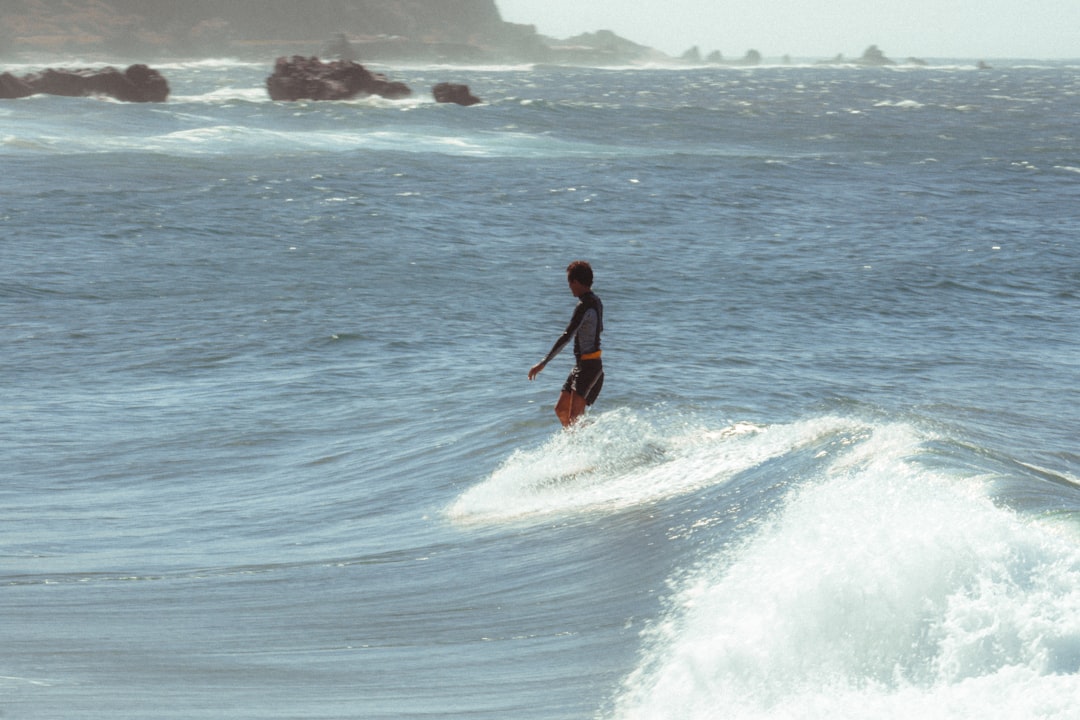
Situated at Inch Marlow on the south coast, Surfer’s Point is arguably the most popular all-round surf spot on the island. The break here is a beach and reef combination that produces waves suitable for a wide range of abilities. When there is a solid south swell running, Surfer’s Point delivers long, workable walls ideal for carving and practising manoeuvres. When conditions are lighter, it is still rideable and a favourite spot for locals on longboards.
The surrounding area has a genuine surf culture feel to it. You will find people waxing boards on the beach, comparing notes on the conditions, and sharing knowledge about what is working that day. It is one of those places where you can turn up alone and quickly feel like part of a community.
Freights Bay: A Reef Break Worth Knowing
Just a short distance from Surfer’s Point, Freights Bay is another south coast gem. This reef break produces a more powerful and hollow wave than its neighbour, favouring intermediate to advanced surfers. On a good day with a strong south swell, Freights throws up tubes that can genuinely surprise you. It is a spot that rewards patience, as the waves can be inconsistent, but when it fires it is one of the best experiences surfing in Barbados has to offer.
The bay itself is relatively sheltered, which also makes the paddle-out more manageable than the east coast alternatives.
Brandon’s Beach: Where Beginners Should Start
On the west coast near Bridgetown, Brandon’s Beach sees small, gentle waves generated by wind swells rather than the large oceanic swells that power the east coast. The waves here are soft, slow, and forgiving, making them an ideal learning environment. Several surf schools use this stretch of coastline for introductory lessons, and the shallow sandy bottom means falls are far less punishing than at reef breaks.
If you have never surfed before and are wondering where to try for the first time, this is your spot. By the end of a morning lesson on these waves, most beginners find themselves standing up and riding to the shore with a big grin on their face.
Rockley Beach: A Handy Option for Casual Surfers
Rockley, also known as Accra Beach, is one of the south coast’s most accessible beaches and it picks up enough swell during the right conditions to provide decent surfing. It tends to be popular with beginners and intermediate surfers rather than serious wave hunters, but the combination of good facilities, easy access, and occasionally fun waves makes it a practical choice. If you are staying nearby and just want a quick session without travelling across the island, Rockley is a convenient option.
Surfing Seasons and Conditions
The peak surf season runs roughly from November to April. This is when North Atlantic storms push swells down towards Barbados, and the east coast breaks light up with powerful, consistent surf. The Soup Bowl is at its most awe-inspiring during these months, and Freights Bay comes alive with more regular sets.
From May through October, the swell tends to drop in size and the south coast becomes relatively quiet. However, south swells generated in the southern hemisphere occasionally deliver surprisingly good waves to the south-facing spots. For beginners and improvers, this quieter season is actually ideal, as conditions are more manageable and the water is still warm throughout the year.
Learning to Surf in Barbados
If you want to learn, the island’s surf schools make the process straightforward and enjoyable. Most cater to complete beginners, running lessons in small groups or one-on-one sessions at sheltered spots on the south coast. Instructors are typically patient, safety-conscious, and knowledgeable about local conditions. Within a day or two of lessons, most people progress from wading in the shallows to catching and riding genuine waves.
For intermediate surfers looking to improve, a few coaches offer coaching sessions at the more challenging breaks, providing video feedback and technique advice tailored to your goals.
What to Know Before You Paddle Out
A few practical points worth keeping in mind. The reef breaks in Barbados can be shallow, so wearing board shorts rather than swimming shorts can make a difference if you fall in shallow water. Rash guards are useful for protecting against sunburn during long sessions on the water. Most boards available for hire are appropriate for beginners to intermediates; if you are a more advanced surfer, bringing your own board is worth the hassle.
Always check conditions before heading to a new break. Local surf shops and surf schools are an excellent source of real-time information and will point you in the right direction based on your level.
Barbados is a brilliant place to surf at any ability level, and the variety of breaks means there is always something suitable regardless of conditions. To discover surf spots, beaches, and experiences across the island, download the Xplore Barbados app at xplorebarbados.com and start planning your time in the water.