
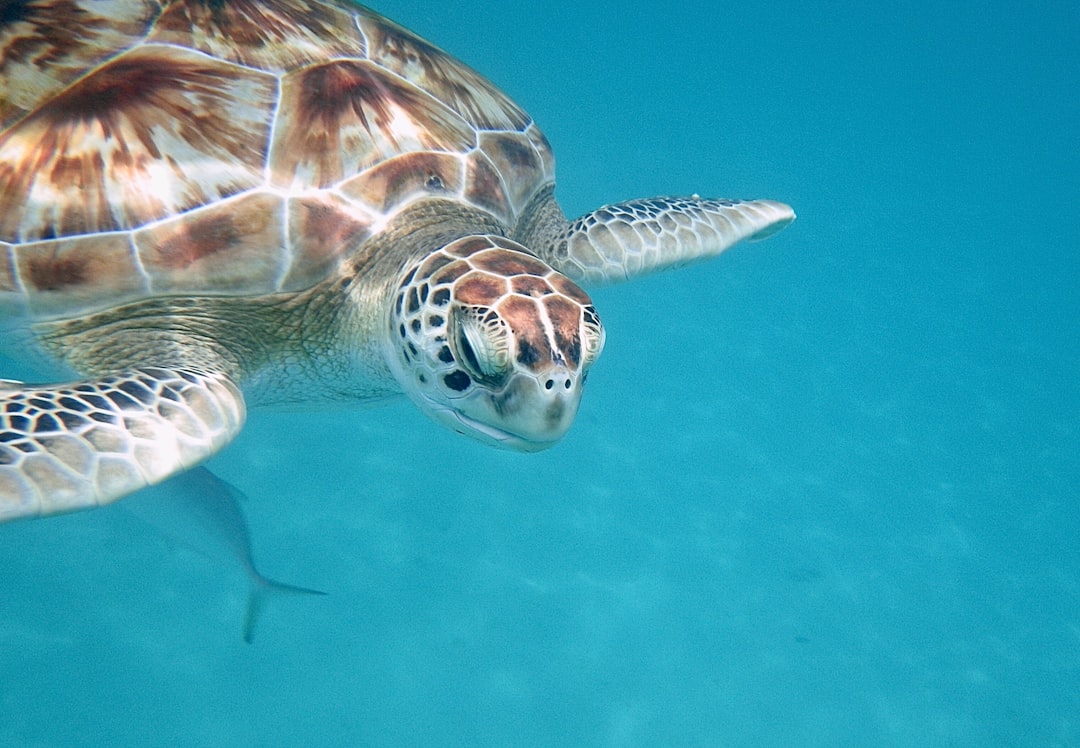
Few experiences in Barbados stop people in their tracks quite like coming face to face with a sea turtle in the wild. Whether you are floating above one as it grazes on sea grass or watching it glide effortlessly beneath your snorkel, it is the kind of moment that tends to stay with you long after you have left the island. The good news is that turtles Barbados waters are home to are not a rare sighting reserved for the lucky few. With a little know-how, almost anyone visiting the island can have an encounter worth remembering.
Why Barbados Is Such a Good Place for Turtle Watching
Barbados sits in an incredibly rich stretch of the Caribbean Sea. The warm, relatively calm waters of the west coast in particular provide ideal feeding conditions for sea turtles, with shallow reefs and patches of sea grass giving them easy access to food. The island has also invested seriously in marine conservation over the years, and the results speak for themselves. Hawksbill turtles and green turtles are both present in healthy numbers, and because boats and swimmers have been sharing these waters respectfully for decades, the turtles have become remarkably relaxed around people.
The legal protections in place matter too. Sea turtles are a protected species under Barbados law, which means interfering with them in any way is prohibited. That framework has helped the population thrive, and it is why the turtles Barbados waters support are so accessible today.
Where to Go
Paynes Bay on the west coast is the name that comes up most often, and for good reason. This stretch of calm, clear water is probably the most reliable free turtle-watching spot on the island. You can wade in from the beach and, depending on the time of day and season, encounter turtles feeding surprisingly close to shore. Early mornings tend to be quieter and calmer, which can improve your chances of a longer, more undisturbed encounter.
Carlisle Bay near Bridgetown is another excellent option, particularly for those who enjoy snorkelling around wrecks. Several deliberately sunk ships sit on the sandy bottom of the bay, attracting marine life including turtles. The combination of clear water, a sandy seabed, and the wreck structures makes this one of the most visually rewarding snorkelling spots on the island regardless of whether turtles show up.
Folkestone Marine Park on the west coast is a managed marine reserve with a shallow coral reef accessible to snorkellers of all abilities. Turtles are often seen here, and the protected status of the area means the marine environment is generally in excellent condition.
For those heading out on a catamaran cruise, most operators have specific locations along the west and south coasts where they take guests for turtle encounters. These boats are staffed by people who know the waters intimately, and sightings are so common on some trips that guides can almost predict exactly where a particular turtle will be feeding on a given day.
What to Expect in the Water
Swimming with turtles Barbados style is a low-key, incredibly natural experience. Unlike some destinations where encounters feel staged or rushed, here you are generally sharing the ocean with animals that are simply going about their day. Hawksbill turtles in Barbados can reach a metre or more in length, and green turtles are often even bigger. Both species move through the water with a quiet elegance that makes them genuinely mesmerising to watch.
When you are in the water near a turtle, the golden rules are simple. Keep a respectful distance, avoid sudden movements, and never attempt to touch, grab, or ride the turtle. Beyond being against the law, touching turtles disrupts their natural behaviour and can cause them stress. The experience is far better when you let the turtle set the pace. Some will swim right past you at close range. Others will surface to breathe nearby before diving again. If you stay calm and let the turtle lead, encounters can last several minutes.
Snorkel gear is all you really need. The water is generally shallow enough around most turtle spots that you do not need to dive at all. A mask and snorkel will give you a clear view of everything happening beneath the surface.
Turtle Nesting Season
Turtles Barbados beaches see coming ashore to nest is one of the island’s best-kept secrets. Nesting season runs from around May through November, with peak activity in July and August. During this time female hawksbill and green turtles haul themselves up onto quieter beaches at night to lay their eggs above the tide line.
If you are visiting during nesting season and want to witness this, the key is to find a quieter stretch of beach away from artificial lighting, as bright lights disorient nesting turtles and can cause them to turn back to the sea without laying. Some conservation groups on the island organise night watches on known nesting beaches, which is far preferable to wandering alone in the dark. If you do come across a nesting turtle by chance, keep your distance, avoid using flash photography, and never shine a torch directly at the animal.
When the eggs hatch, usually around eight weeks later, the hatchlings make their way to the sea guided by natural light reflecting off the water. Seeing that scramble on a quiet Barbados beach is as moving a wildlife spectacle as the island has to offer.
A Few Practical Tips
Reef-safe sunscreen is worth using any time you are snorkelling in Barbados. Standard chemical sunscreens wash off into the water and are harmful to coral and marine life. Most water sports operators on the island now actively encourage or require reef-safe products, and you can pick them up at pharmacies and supermarkets across the island.
If you are joining a boat trip, most operators provide all the snorkel gear you need. For independent snorkelling at spots like Paynes Bay or Carlisle Bay, you can rent basic equipment cheaply at several beach operators along the west coast.
Finally, go early if you can. The water is at its calmest in the morning, visibility is at its best before any boat traffic stirs up the sand, and the turtles tend to be more active feeding before the beach crowds arrive.
For more tips on the best turtle watching spots, local catamaran operators worth booking, and everything else to discover in Barbados, download the Xplore Barbados app at xplorebarbados.com. It is the local guide that makes sure you do not miss a thing.