
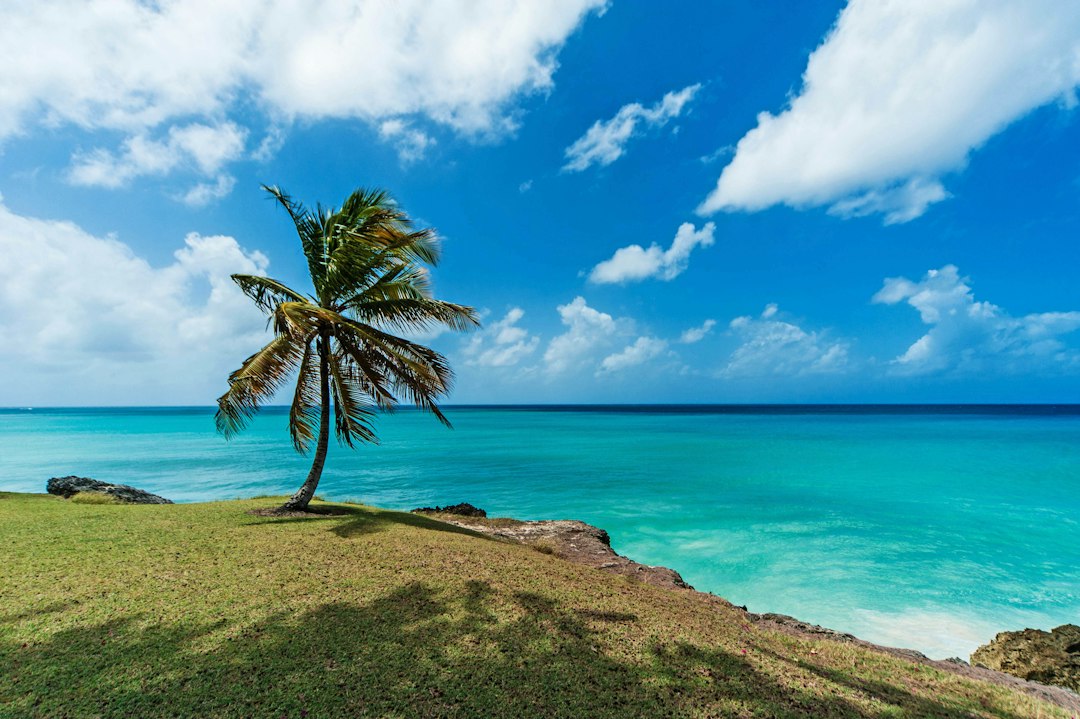
Barbados has a way of exceeding expectations. You arrive expecting another Caribbean holiday, and somewhere between your first bite of flying fish and watching the sun sink into the Caribbean Sea, you realise this island is something genuinely special. If you have been asking yourself what is Barbados like before booking your trip, the honest answer is: warm, welcoming, and far more interesting than the brochures suggest.
The Vibe: Friendly, Proud, and Refreshingly Authentic
Barbados is different from many Caribbean destinations in that it has a strong, confident identity. Bajans (as locals call themselves) are deeply proud of their culture, their food, their music, and their history, and that pride is infectious. You will notice it in the way rum shop conversations spill onto the street, in the rhythmic bass of soca music drifting from a passing van, and in the genuine warmth of people who will give you directions, recommend their favourite lunch spot, or simply stop for a chat.
This is not a place that feels entirely built for tourists. Yes, there are luxury resorts and cocktail bars, but the real Barbados sits just a few minutes inland, in the chattel houses painted in cheerful pastels, the roadside fish cutters, and the cricket matches played on open greens with homemade wickets. If you want to understand what is Barbados like at its core, spend a morning away from the main tourist corridors and you will begin to see it clearly.
What Does Barbados Look Like?
The island is compact, roughly 34 kilometres long and 23 kilometres wide, but it packs in a surprising variety of landscapes. The west coast is calm and clear, with flat turquoise water that looks almost too perfect. The south coast has a livelier energy, with gentle waves, beach bars, and a younger crowd. The east coast, facing the Atlantic, is dramatic and wild, with crashing waves and rugged cliffs that feel a world away from the polished calm of the west.
Inland, you will find rolling fields of sugarcane (still cut by hand in some places), tropical gardens, and the limestone spine of the Scotland District in the north, which looks nothing like what most people picture when they imagine a Caribbean island. Spending a morning driving through the interior reveals a completely different side of the island.
The Food: Better Than You Think
Food is one of the genuine highlights of any trip here. Barbadian cuisine is built around fresh seafood, particularly flying fish, the national dish and a symbol of the island. You will find it fried and served in a roll (the flying fish cutter), curried, or steamed with a Creole sauce. Cou-cou, made from cornmeal and okra, is the traditional accompaniment and worth trying at every opportunity.
Beyond flying fish, the local food scene rewards curiosity. Fishcakes made with salted cod are the snack equivalent of a revelation. The black belly sheep, native to Barbados, turns up in excellent lamb dishes at local restaurants. And the breadfruit, whether roasted, fried, or simmered in a stew, is something every visitor should try at least once.
Rum is, of course, a category all its own. Barbados has been distilling it for centuries and produces some of the finest in the world. The rums here tend to be smoother and more complex than many people expect, and a tour of one of the island’s historic distilleries is genuinely worth an afternoon of your time.
The Weather and the Sea
Barbados sits outside the main hurricane belt, which means it enjoys reliably good weather through most of the year. The dry season runs from December through May, which is peak tourist season for good reason. The wet season, from June to November, still sees plenty of sunshine and brings more frequent short showers, usually in the afternoon.
The sea temperature hovers around 26 to 28 degrees Celsius year-round, which means the water always feels inviting. The west coast is best for swimming, with calm and sheltered conditions. The south coast offers gentle surf suitable for beginners, and the east coast delivers powerful Atlantic swell that attracts serious surfers from around the world.
How Barbados Compares to Other Caribbean Islands
Anyone wondering what is Barbados like compared to its neighbours will notice a few things quickly. The island is more developed than many, with excellent infrastructure, good roads, and reliable utilities. The standard of hospitality tends to be high across all types of accommodation and restaurants, and English as the first language makes everything straightforward for most visitors.
It is also more diverse in what it offers. You can spend a morning at a plantation house museum learning about the island’s history, a lunchtime at a fish market, an afternoon on a world-class beach, and an evening at a sunset jazz session, all without leaving the island or repeating yourself. That variety is part of what makes it such a satisfying destination.
What Most Visitors Get Wrong
The biggest mistake first-timers make is spending the entire trip on one stretch of beach or within the resort gates. The more you venture out, the more rewarding Barbados becomes. Take the bus. Eat at the rum shops. Visit the farmers market. Watch a cricket match, even if you do not understand the rules.
The local transport system, including the blue-and-yellow Transport Board buses and the privately operated minibuses known as ZRs, is inexpensive, reliable, and a genuine window into everyday Bajan life. Using it even once will give you a completely different perspective on the island.
Practical Realities for Visitors
What is Barbados like for the day-to-day practicalities? Generally smooth. The island is well set up for visitors. Healthcare standards are high, crime rates in tourist areas are low, and locals are accustomed to welcoming international guests with patience and genuine interest. The currency is the Barbados dollar, pegged to the US dollar, and USD is widely accepted.
Tipping is customary but rarely feels obligatory in the way it might in some other destinations. A genuine thank-you and a willingness to engage with locals will take you further than any gratuity.
Getting the Most Out of Your Visit
Barbados rewards slow travel. Do not try to tick everything off a list. Instead, find a base, explore one area properly, try the local food, talk to people, and let the rhythm of the island set the pace. The best memories from a Barbados trip are rarely the things you booked in advance. They are the side roads you turned down, the strangers who became dinner companions, and the sunsets you caught by accident.
If you want to make sure you are finding the best the island has to offer, whether that is under-the-radar beaches, local food trails, or upcoming events, the Xplore Barbados app at xplorebarbados.com is a genuinely useful companion for planning and exploring on the ground.